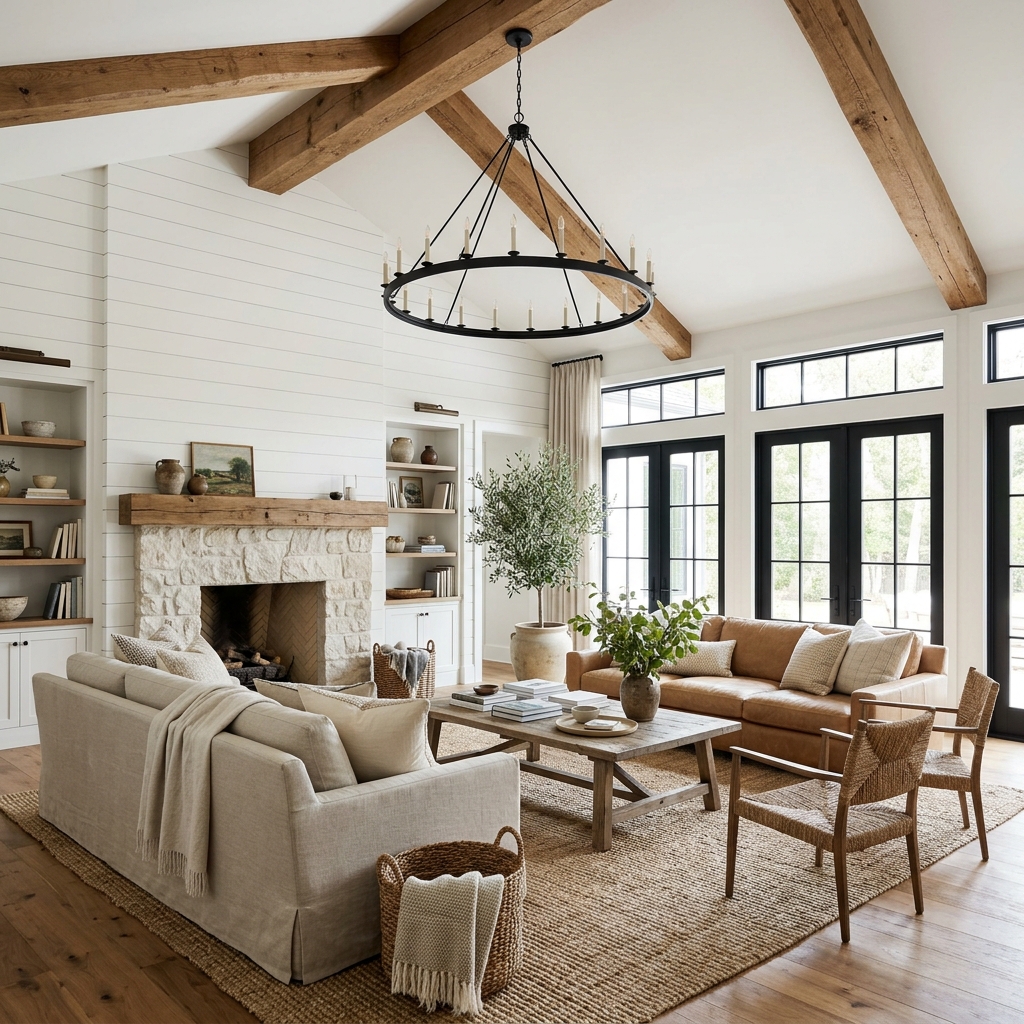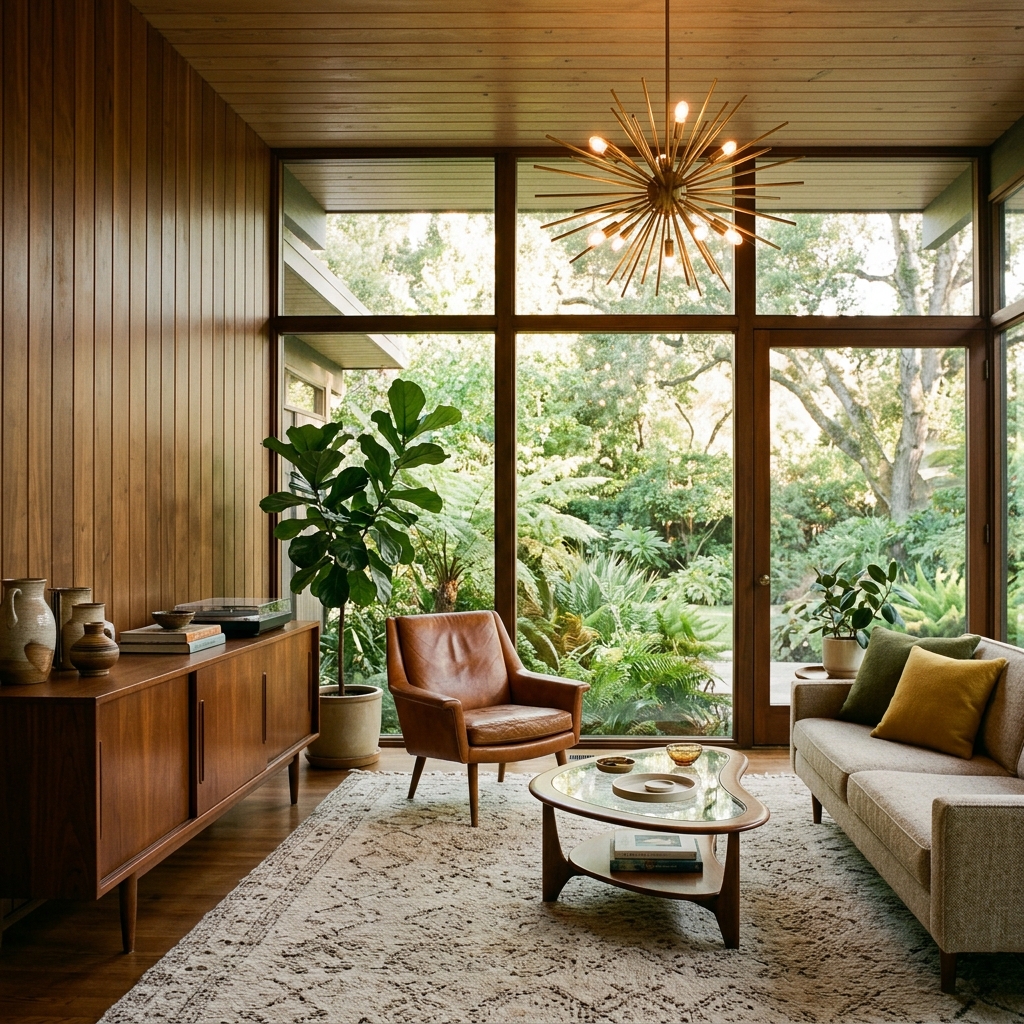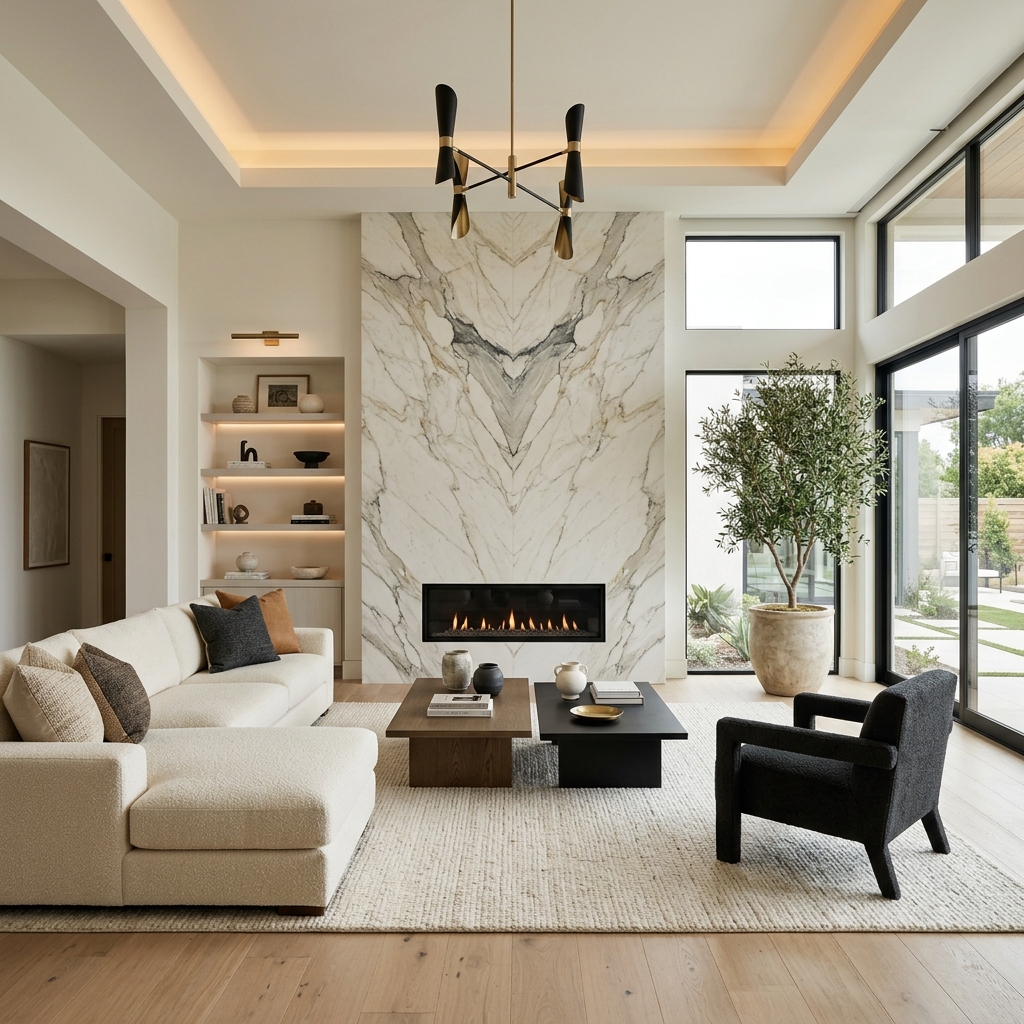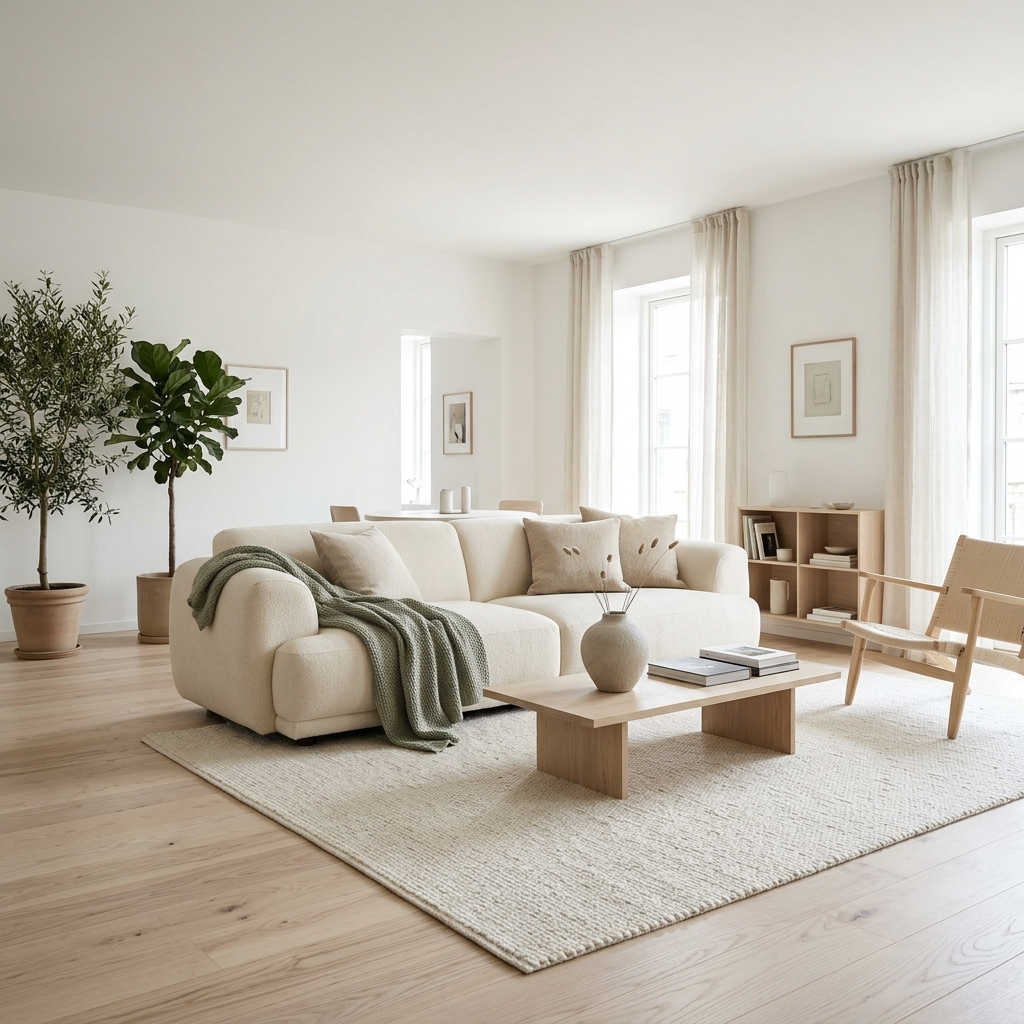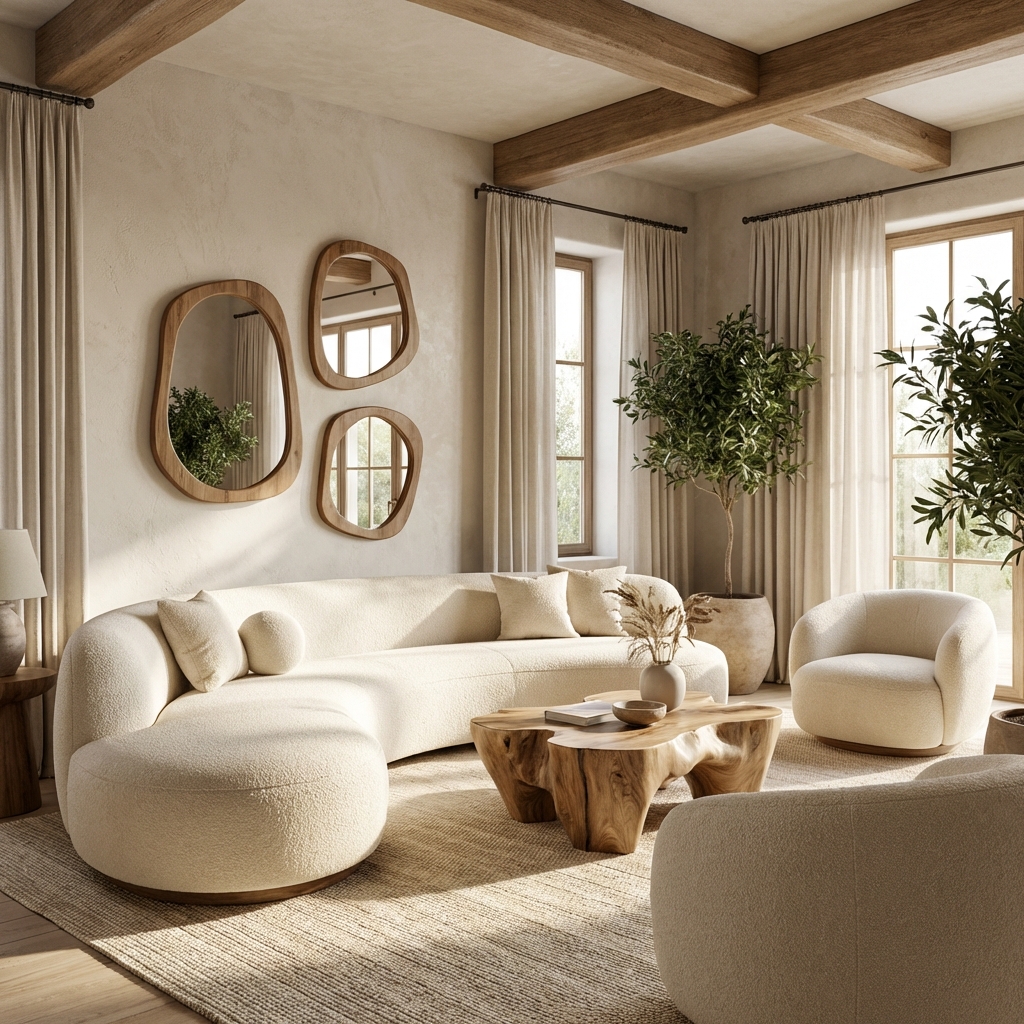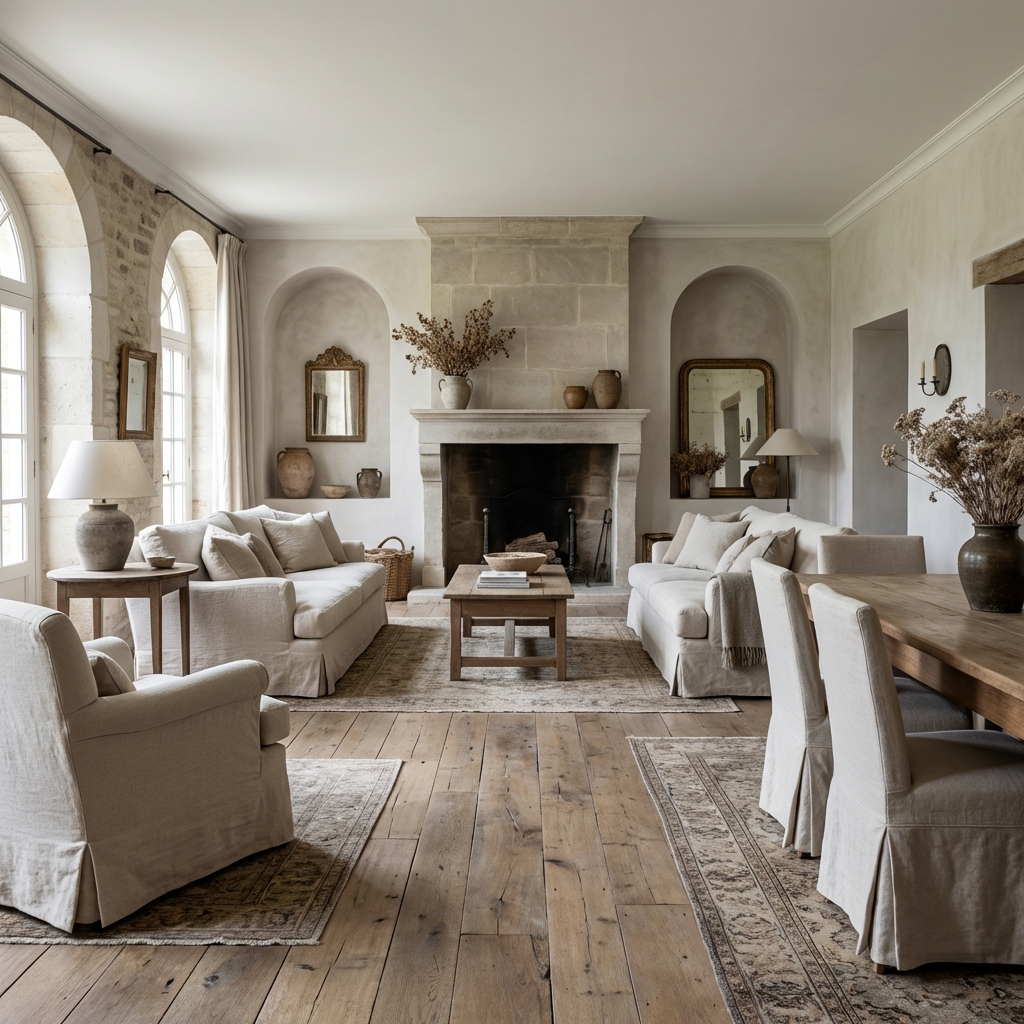
Why Japandi Sanctuary Works (And Why People Obsess Over It)
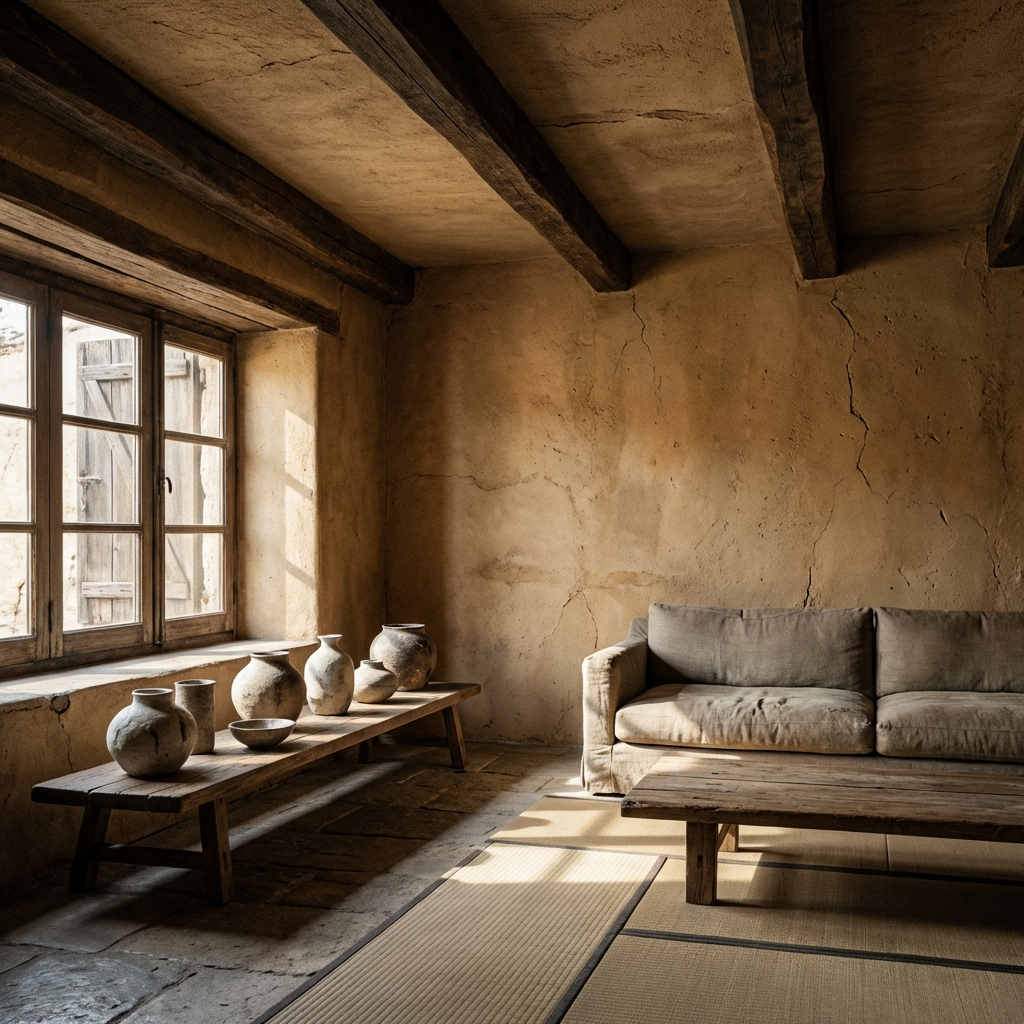
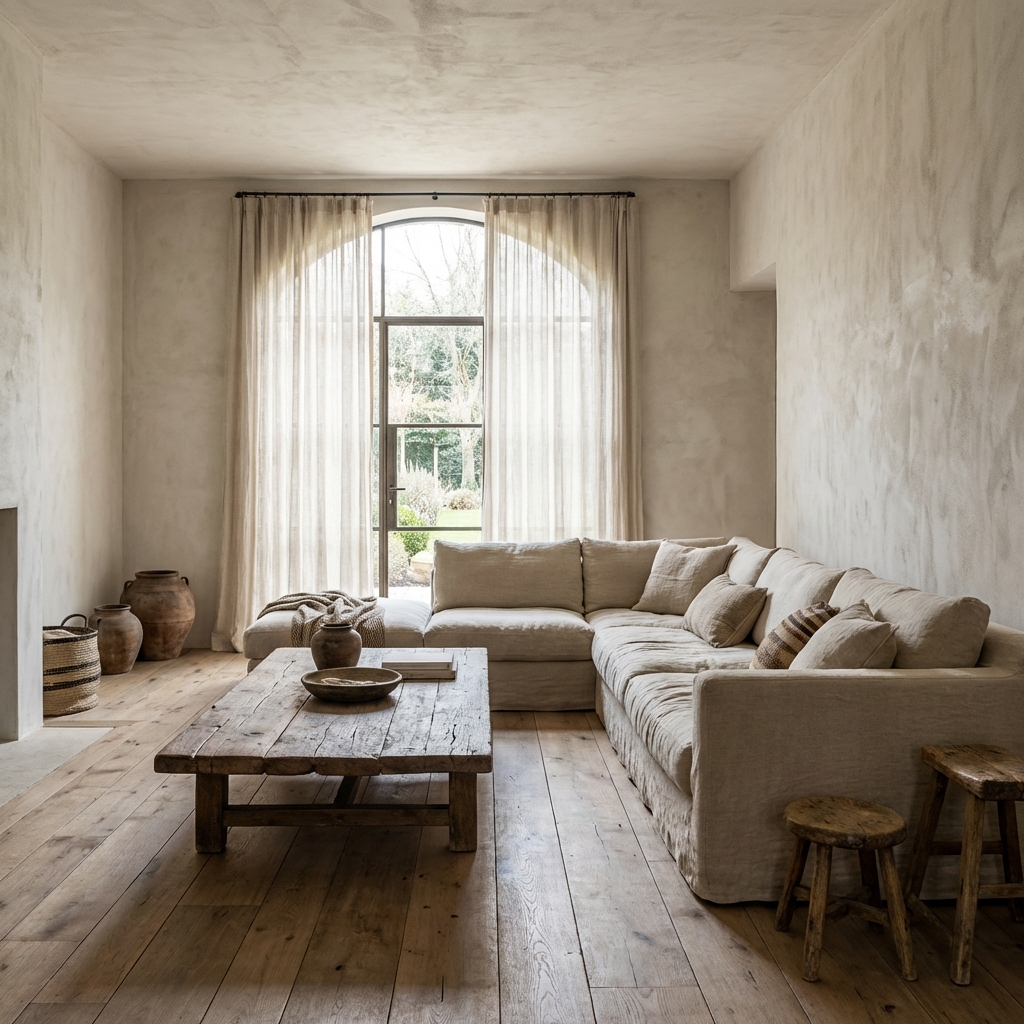
What happens when a Tokyo zen master and a Copenhagen furniture maker move into the same apartment? You get Japandi—the single most enduring design movement of the decade. It marries the Japanese philosophy of wabi-sabi (finding quiet beauty in natural imperfection) with the Scandinavian obsession with hygge (cozy, functional warmth).
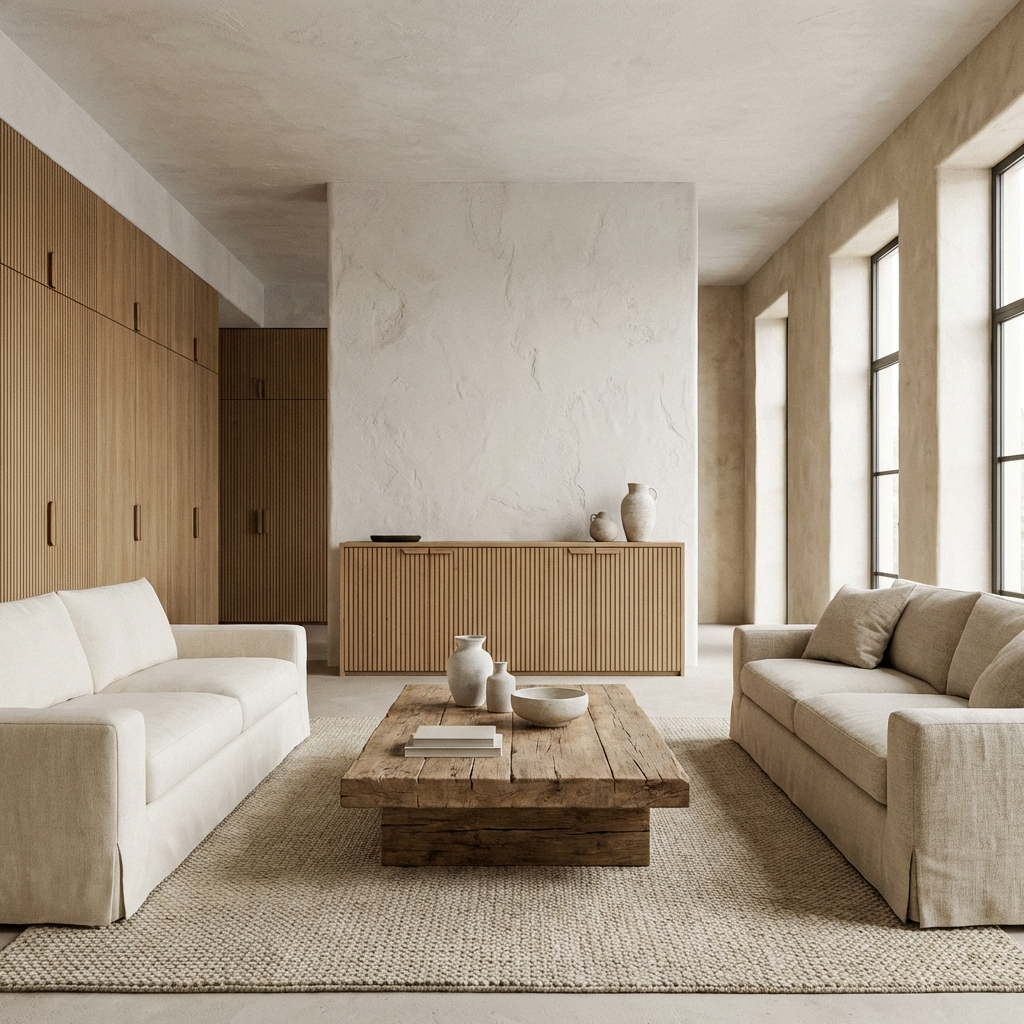
In 2026, Japandi has evolved beyond a trend into a full-blown antidote to digital burnout. By replacing glossy surfaces and visual clutter with matte oat limewash walls, vertical American Oak acoustic slats (which literally absorb up to 45% of room echo), and low-slung timber furniture that opens up vertical ceiling height, a Japandi room physically lowers your cortisol levels.
The golden rule of Japandi is contrast within calm: pair pale blond Scandinavian oak with rich Japanese Smoked Oak or charred Shou Sugi Ban accents, and never put anything in the room that doesn't either serve a daily purpose or bring genuine peace.
No-Regret Paint Colors for a Japandi Sanctuary Room
Skip the 40 sample pots on your drywall. These four designer-vetted shades nail the Japandi Sanctuary undertone balance in both natural and evening light.
The 4 Non-Negotiables of Japandi Sanctuary
American & Smoked Oak Contrast
Follow the 70/20/10 wood rule: 70% pale matte white oak, 20% deep espresso Smoked Oak for grounding, and 10% matte black iron.
Acoustic Timber Slat Walls
Vertical oak slats backed with recycled acoustic felt add architectural rhythm while quieting household echo.
Low-Slung Joinery & Platform Profiles
Keep sofas, platform beds, and solid-wood coffee tables close to the floor to make standard 8-foot ceilings feel expansive.
Paper Lanterns & Hand-Thrown Ceramics
Diffuse light through sculptural rice-paper Akari pendants and style surfaces with a single imperfect stoneware vase and foraged branch.
Curious How Japandi Sanctuary Looks on Your Actual Room?
Upload a phone photo of your living room, kitchen, bedroom, or bath and watch our AI remodel it in Japandi Sanctuary in under 15 seconds—complete with itemized renovation cost estimates.
Test Japandi Sanctuary on My Room FreeHow to Execute Japandi Sanctuary in Every Room
Low Linen Seating & Shoji Light
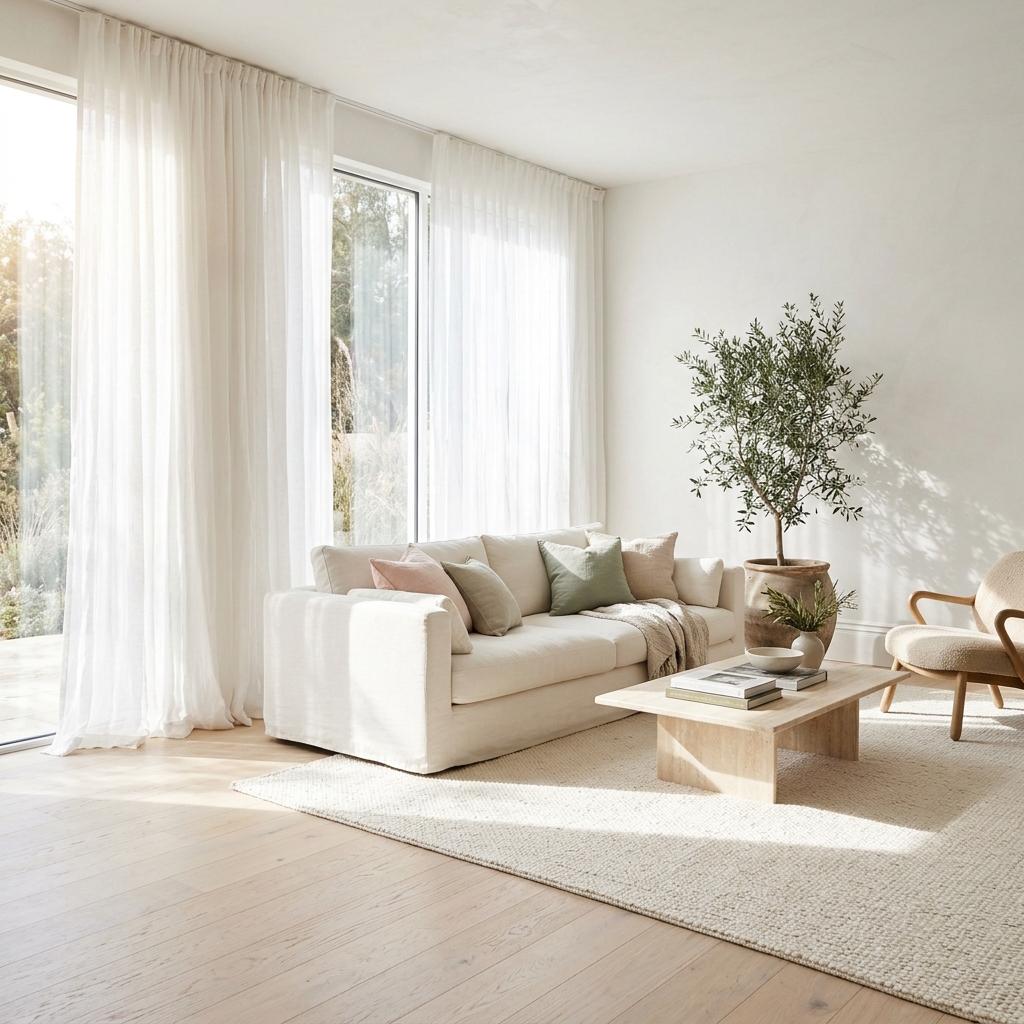
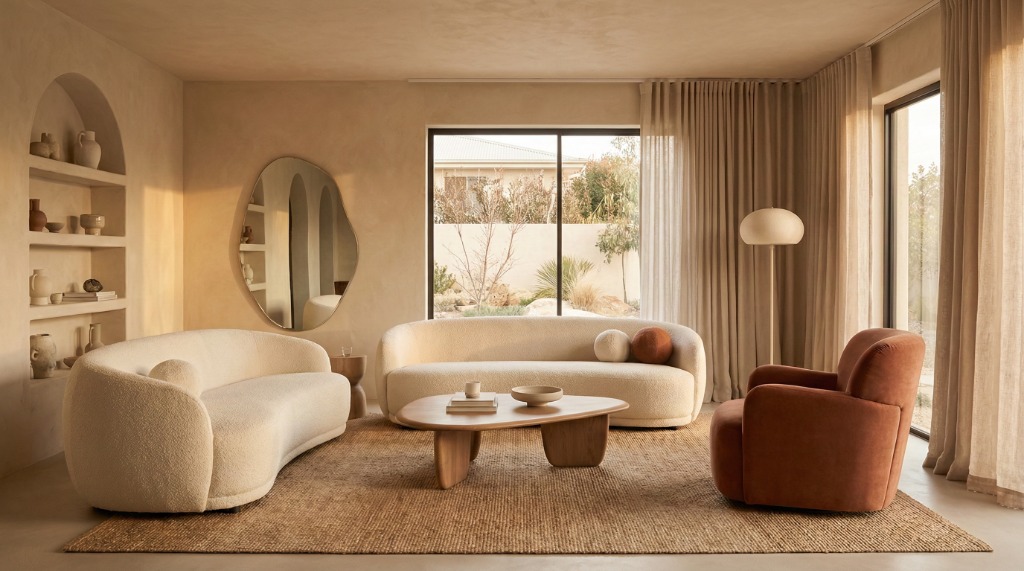
Center a low-profile timber-base linen sofa over a braided jute rug, paired with a smoked-oak slab coffee table and an oversized Noguchi-inspired rice paper lantern.
Handleless Oak & Matte Stone
Combine flat-front rift-cut oak base cabinets with warm oat upper cabinets, integrated finger-pull grooves, and a honed soapstone or matte greige quartz countertop.
The Cortisol-Lowering Sleep Sanctuary
Use a joinery platform bed with extended wood wings for low bedside pendants, dressed in washed oatmeal and charcoal flax linen.
Hinoki Spa & River Stone Calm
Pair large-format matte greige porcelain tiles with a teak or oak slatted bath mat, a deep Japanese-style soaking tub, and matte black wall-mount fixtures.
Do This, Not That: Avoiding Rookie Japandi Sanctuary Mistakes
Don't use orange-toned polyurethaned oak that looks like a 1990s kitchen.
Specify raw-look, water-based matte lacquer on white oak combined with deep brown Smoked Oak accents.
Don't fill shelves with dozens of small trinkets or colorful book spines.
Practice 'ma' (negative space)—leave 50% of every shelf empty so your eye has room to rest.
Don't use bare glass bulbs or cool 4000K lighting.
Filter warm 2400K–2700K light through rice paper, linen, or frosted opal glass shades.
What Does a Japandi Sanctuary Remodel Actually Cost?
Acoustic slat panels, paper lantern, and wabi-sabi textiles.
- DIY pre-made oak acoustic slat panels for one feature wall
- Oversized rice-paper pendant shade
- Braided jute or wool flatweave rug
- Washed flax linen bedding or throw pillows
Low-profile solid oak furniture and limewash wall transformation.
- Mineral limewash wall treatment in Warm Oat
- Solid oak low-slung platform sofa or bed frame
- Smoked oak coffee table & ceramic lighting
- Wide-plank matte blonde oak flooring
Bespoke flush millwork, shoji partitions, and Japanese soaking bath.
- Custom handleless white-oak kitchen or wardrobe wall
- Architectural sliding wood-screen room dividers
- Wet-room spa bathroom with deep soaking tub
- Recessed perimeter cove lighting
Japandi Sanctuary Remodel FAQs
What is the difference between Japandi and Scandinavian design?
Scandinavian design relies on bright whites, pale woods, and cozy hygge textiles, while Japandi introduces darker wood contrasts (Smoked Oak, walnut, black accents), lower furniture profiles, earthy limewash tones, and wabi-sabi handmade textures.
Do acoustic wood slat walls actually reduce noise?
Yes—when mounted with a PET felt backing (or over 1-inch furring strips with mineral wool), oak slat panels achieve an NRC (Noise Reduction Coefficient) of 0.45 to 0.80, noticeably eliminating slap-echo in rooms with hard floors.
Can I do Japandi in a small apartment?
Japandi was practically invented for compact spaces! Low-profile furniture makes ceilings feel 18 inches taller, sliding screens replace swing-door dead zones, and concealed storage keeps small rooms feeling serene.
Explore More Standard Remodel Guides
Compare all 12 homeowner & real-estate favorite remodel aesthetics.