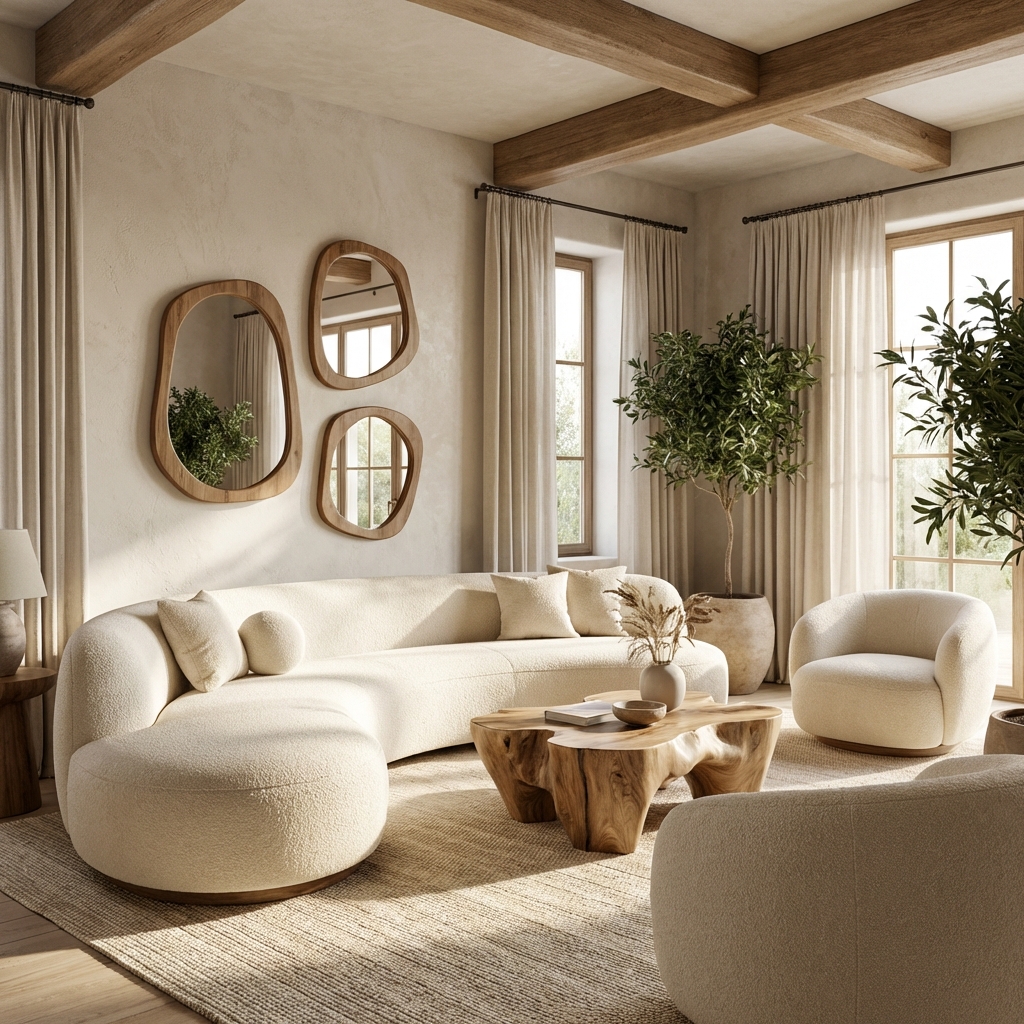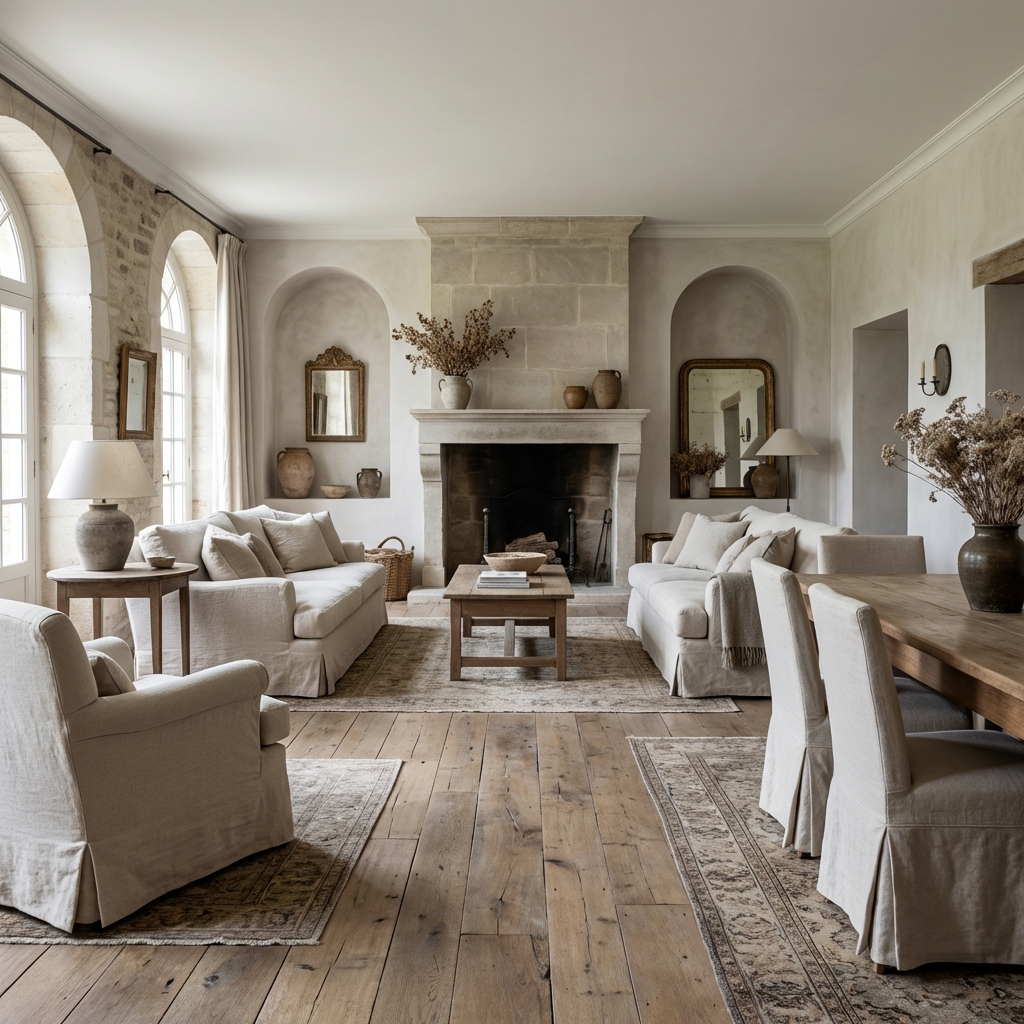
Why Zen Wabi-Sabi Works (And Why People Obsess Over It)
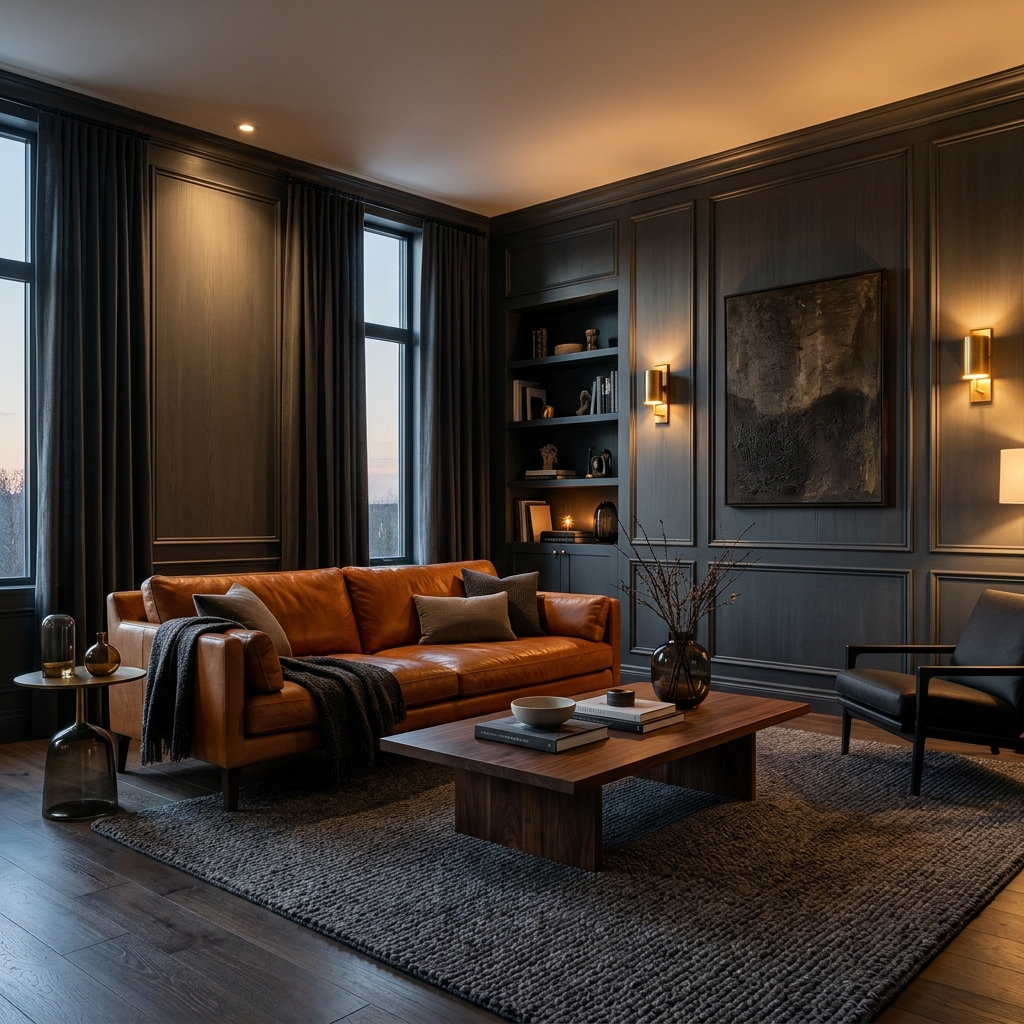
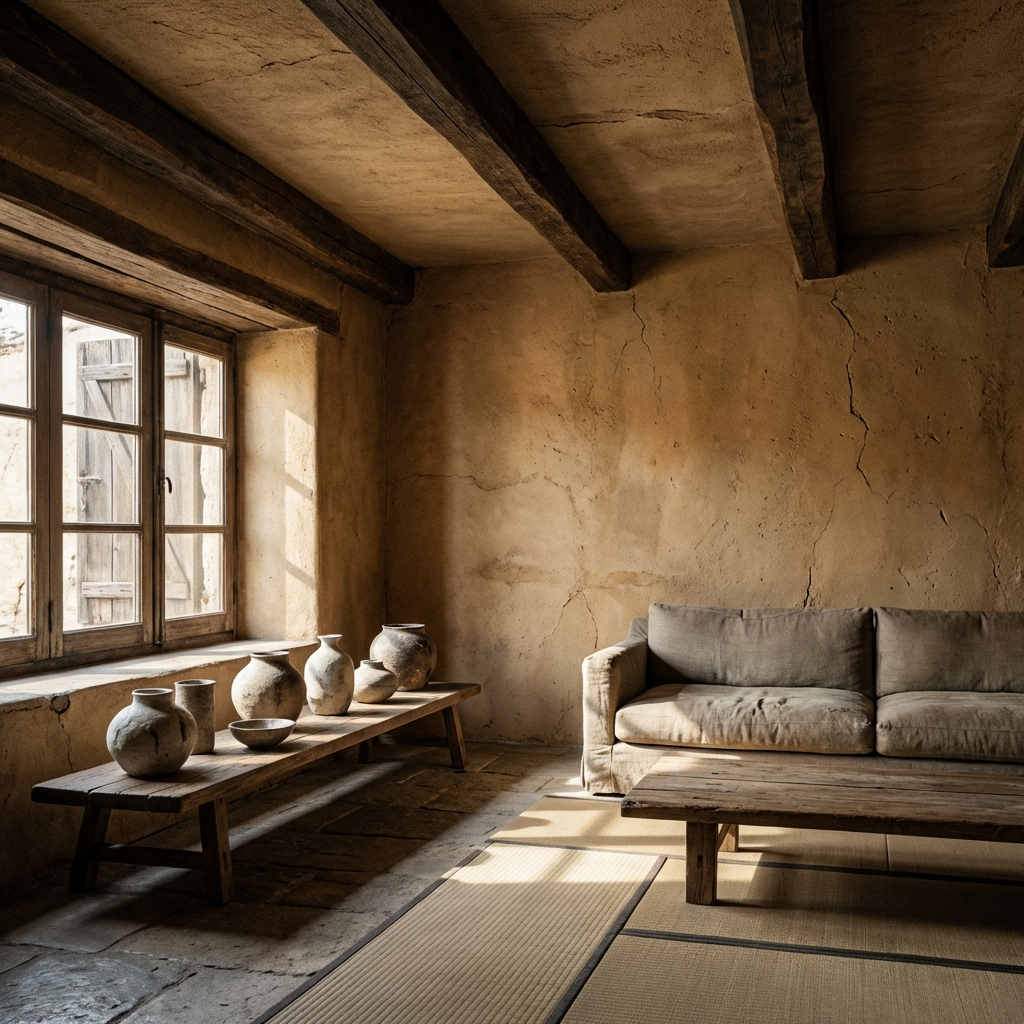
If Japandi is morning sunlight filtering into a Copenhagen café, Zen Wabi-Sabi is twilight inside a centuries-old Kyoto tea house. Inspired by the classic Japanese essay 'In Praise of Shadows,' this style celebrates patina, age, asymmetry, and the quiet majesty of dim, directional light.
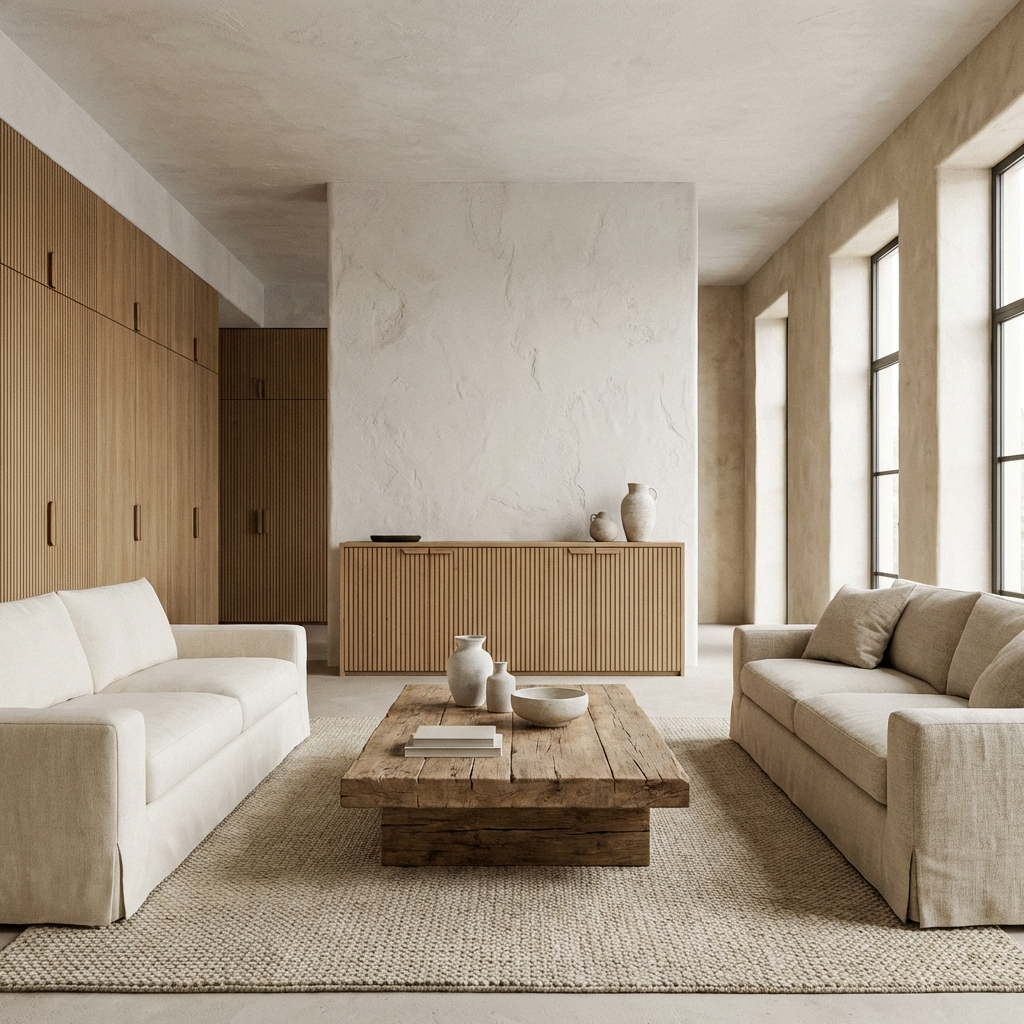
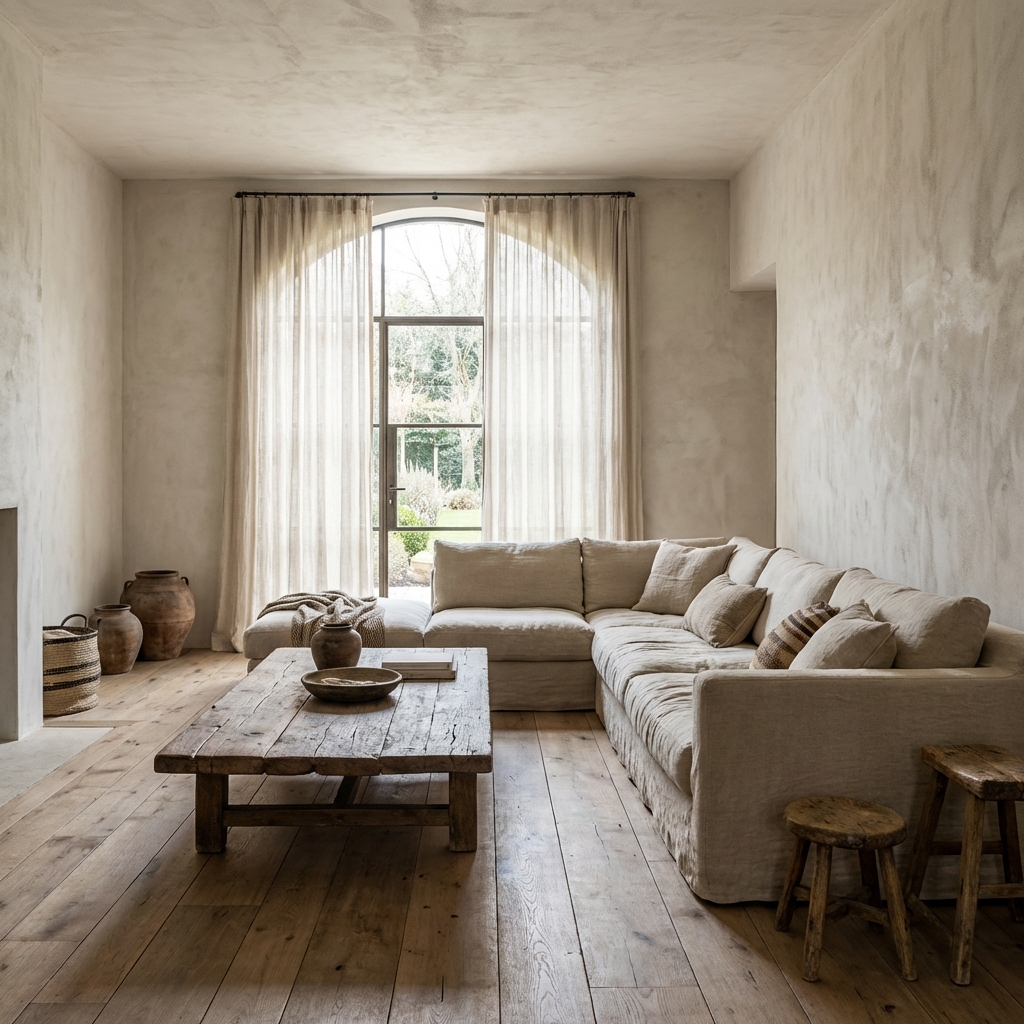
Here, perfection is the enemy. Walls are troweled in mottled grey-brown clay plaster that looks like weathered canyon stone; tables are crafted from cracked, salvaged elm or dark charred cedar with visible butterfly joinery; and vessels are hand-coiled unglazed pottery holding a single gnarly plum branch.
Zen Wabi-Sabi is the ultimate refuge from a loud, plastic world. When nothing in your room is shiny or begging for attention, your mind settles into instant stillness.
No-Regret Paint Colors for a Zen Wabi-Sabi Room
Skip the 40 sample pots on your drywall. These four designer-vetted shades nail the Zen Wabi-Sabi undertone balance in both natural and evening light.
The 4 Non-Negotiables of Zen Wabi-Sabi
Raw mottled Earth & Lime Plaster
Textured clay, limewash, or micro-cement walls intaupe, ash, and umber with organic trowel marks.
Reclaimed & Charred Timber
Weathered elm benches, dark walnut live-edge slabs with bow-tie joints, and Shou Sugi Ban charred wood.
Shadow-First Architectural Lighting
Concealed floor-level uplights and dim 2200K wall grazers that leave corners in soft, restful shadow.
Asymmetric Hand-Thrown Vessels
Rough unglazed Bizen or Raku-style stoneware, river boulders, and woven tatami or hemp mats.
Curious How Zen Wabi-Sabi Looks on Your Actual Room?
Upload a phone photo of your living room, kitchen, bedroom, or bath and watch our AI remodel it in Zen Wabi-Sabi in under 15 seconds—complete with itemized renovation cost estimates.
Test Zen Wabi-Sabi on My Room FreeHow to Execute Zen Wabi-Sabi in Every Room
The Twilight Sanctuary
Apply mottled taupe-grey Roman clay to the walls, pair a low charcoal or coarse oatmeal hemp-linen sofa with an aged reclaimed-elm slab coffee table, and light from floor level.
Weathered Timber & Honed Basalt
Combine dark wire-brushed oak or walnut slab cabinetry with leathered black granite or honed basalt stone counters and hand-forged iron pulls.
Tatami & Linen Stillness
Place a low dark-timber platform bed over a woven tatami or seagrass mat, dressed in rumpled charcoal and stone-washed flax linen.
The Onsen Stone Bath
Wrap the wet room in dark slate or grey Tadelakt plaster with a deep cedar or dark stone soaking tub and a rough-carved granite vessel basin.
Do This, Not That: Avoiding Rookie Zen Wabi-Sabi Mistakes
Don't buy mass-produced 'distressed' decor with fake printed rust.
Choose genuinely raw, natural materials—real salvaged wood, unglazed clay, linen, and river stone.
Don't flood the ceiling with bright recessed can lights.
Keep the ceiling dark and quiet; place warm 2200K lamps low near the floor so light grazes across textures.
Don't arrange objects in symmetrical pairs.
Wabi-Sabi celebrates odd numbers (1 or 3 items) and organic asymmetry.
What Does a Zen Wabi-Sabi Remodel Actually Cost?
Limewash walls, salvaged wood bench, and shadow lighting.
- DIY mottled two-tone limewash wall finish in London Stone
- Vintage weathered-elm bench used as a coffee table
- Hand-thrown unglazed stoneware vase & dried branches
- Floor-level warm 2200K uplight sconces
Coarse linen low-profile sofa, tatami/hemp rug, and live-edge dining.
- Low-slung stone-washed linen modular sofa
- Handwoven hemp or tatami-weave area rug
- Solid reclaimed-wood dining or console table
- Coarse unlined flax linen drapery
Hand-troweled clay plaster, charred timber millwork, and Onsen wet room.
- Artisan Roman clay plaster across walls and ceilings
- Custom wire-brushed dark oak & leathered basalt kitchen
- Japanese Onsen-style slate & cedar soaking bathroom
- Built-in tokonoma alcove & concealed architectural grazing lights
Zen Wabi-Sabi Remodel FAQs
How is Zen Wabi-Sabi different from Japandi?
Japandi is brighter and blends 50% Scandinavian hygge (pale oak, creamy whites, clean mid-century lines), whereas Zen Wabi-Sabi is earthier, darker, and more rustic—prioritizing raw clay plaster, weathered dark wood, shadows, and organic imperfection.
How do I light a Wabi-Sabi room so it doesn't just feel dark?
Use 'wall grazing': position warm 2200K–2700K hidden LED strips or floor lamps close to textured plaster or wood walls so the light rakes across the surface texture while keeping glare out of your eyes.
Where can I find authentic weathered wood benches and vessels?
Look for antique Chinese elm village benches (often $180–$350 at import warehouses or Etsy), local ceramic studio seconds, and salvaged barn beams.
Explore More Standard Remodel Guides
Compare all 12 homeowner & real-estate favorite remodel aesthetics.